
Introduction
How many galaxies are there in the universe? This is one of the key questions in astronomy. For centuries, humans have gazed at the night sky, marvelling at its vastness; while we could once see only a few stars with the naked eye, scientists today use powerful telescopes to observe a universe teeming with hundreds of billions of galaxies, stretching across unimaginable distances.
The answer to this question is not a simple, fixed number; as science advances, new galaxies continue to be discovered. Current research suggests that the observable universe may contain more than two trillion galaxies—a figure far exceeding earlier estimates and one that highlights the sheer scale of the cosmos.
Understanding the number of galaxies helps us grasp the size of the universe and our own place within it; it is directly linked to fundamental questions regarding the universe’s origin, structure, and future.
In this article, we will discuss recent estimates, the methods scientists use to count galaxies, the reasons why this figure changes, and what future discoveries might reveal.
Table of Contents
Understanding What a Galaxy Is
How many galaxies are there in the universe? Before answering this question, we must first understand what a galaxy is. A galaxy is a collection of stars, planets, gas clouds, dust, dark matter, and black holes held together by gravity.
Galaxies also vary in size:
- Small dwarf galaxies may contain a few million stars.
- Large galaxies can contain trillions of stars.
- Some galaxies span hundreds of thousands of light-years.
Our own galaxy, the Milky Way, contains hundreds of billions of stars, including our Sun.
Main Components of a Galaxy
Stars Produce light and energy
Planets Orbit stars
Gas Clouds Raw material for star formation
Dust Helps form planets and stars
Dark Matter provides additional gravitational effects
Black Holes Often found at galaxy centres
Our home galaxy, the Milky Way, contains approximately 100–400 billion stars.
Why Counting Galaxies Is Difficult
How many galaxies are there in the universe? Figuring out how many galaxies there are isn’t as simple as counting objects in a photograph.
The Limits of Human Observation
There are some limitations to our human vision that make counting galaxies difficult. These include:
- Many galaxies are too faint for us to see clearly.
- Some galaxies are hidden behind dust, making them invisible to us.
- The universe is constantly expanding.
- It takes billions of years for light from very distant galaxies to reach Earth.
- Recent telescopes cannot see every galaxy.
This is why astronomers have to use statistical models and observations to estimate the total number of galaxies.
How Many Galaxies Are in the Observable Universe?
How many galaxies are there in the universe? According to scientists, there are more than approximately 2 trillion galaxies in the observable universe.
The Current Scientific Estimate
Early studies suggested that there are approximately 100 to 200 billion galaxies; however, advanced telescopes, improved observational techniques, and mathematical models revealed that many small and faint galaxies were missed.
The following are scientists’ estimates based on the time period.
Estimated number of galaxies at the time of the estimate
Early 1990s: 50–100 billion
Early 2000s: 100–200 billion
Modern estimates: over 2 trillion
This means the actual number could be about 10 times greater than previously estimated. Most of these galaxies are too distant and faint to be seen directly with current telescopes.
How Scientists Estimate the Number of Galaxies
How many galaxies are there in the universe? Scientists use several methods to answer this question. One of them is:
Space Telescopes and Deep-Field Surveys
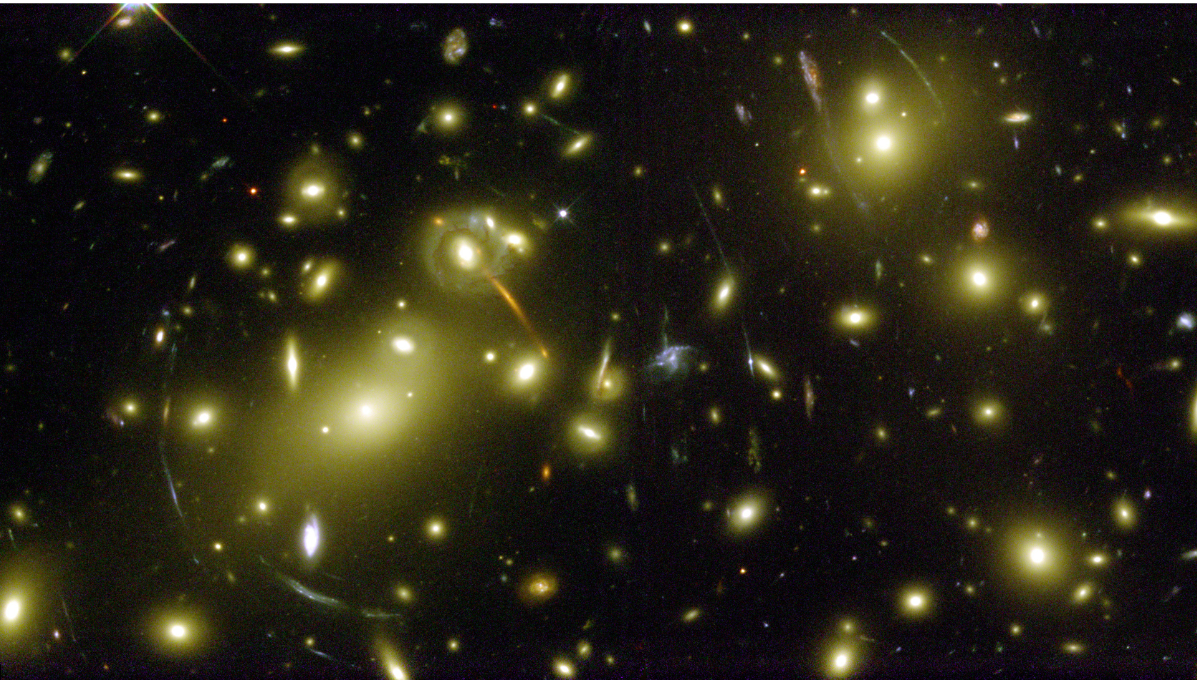
This deep-field observation has led to a breakthrough for scientists. In a deep-field survey, scientists point a telescope at a small area of the sky and keep the camera focused for hours or even days. The resulting images reveal thousands of galaxies that are not normally visible.
Some deep-field surveys are:
- Hubble Deep Field
- Hubble Ultra Deep Field
- Hubble Extreme Deep Field
These images give us information about the density of galaxies in the universe.
The Role of Advanced Imaging
Advanced computer models analyse the following:
- Galaxy brightness
- Galaxy size
- Distance measurements
- Redshift data
These calculations help researchers estimate how many undiscovered galaxies may be outside the current detection limit.
What Is the Observable Universe?
How many galaxies are there in the universe? To answer this question, it is essential to understand the observable universe.
The observable universe includes everything whose light has had enough time to reach Earth since the universe’s formation about 13.8 billion years ago.
Observable Universe vs Entire Universe
Observable Universe Entire Universe
Can be observed May extend beyond observation
Radius about 46.5 billion light-years Unknown size
Contains trillions of galaxies Could contain far more
Scientists currently have no way to determine the full size of the entire universe.
Therefore, when discussing how many galaxies are in the universe, astronomers usually refer to the observable universe.
Types of Galaxies Found in the Universe
Not all galaxies are the same.
Accordingly, scientists have divided galaxies into several main categories. Some of them are as follows:
Spiral Galaxy
Spiral galaxies have rotating arms radiating from a central bulge.
For example:
- Milky Way
- Andromeda Galaxy
Some of the characteristics of these galaxies are as follows:
- They contain abundant amounts of gas and dust.
- They actively form stars.
- They have a distinct spiral structure.
Elliptical Galaxies
Elliptical galaxies appear spherical or oval.
Some of their characteristics are:
- They contain old stars.
- They contain less gas and dust.
- They have minimal star formation.
The size of these galaxies varies from tiny galaxies to giant elliptical galaxies.
Irregular Galaxies
These galaxies have no defined shape.
They have some characteristics, which are as follows:
- They do not have an organized form.
- Star formation is actively taking place in them.
- Often affected by gravitational interactions
These diverse galaxy types contribute to calculations of the total number of galaxies in the universe.
The Milky Way's Place Among Billions of Galaxies
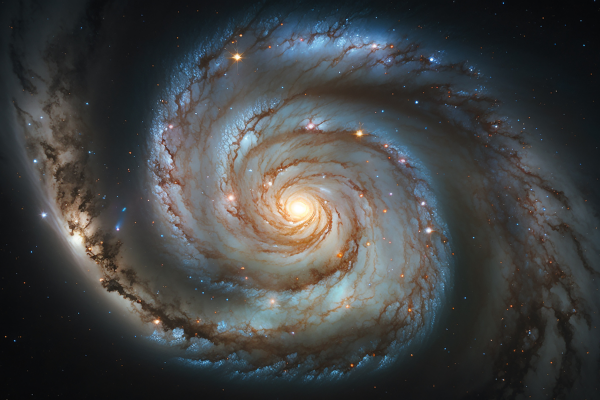
Our Milky Way galaxy is one of billions of galaxies.
Here are some facts about the Milky Way galaxy:
Feature Value
Diameter Approximately 100,000 light-years
Stars 100–400 billion
Age Approximately 13.6 billion years
Type Barred spiral galaxy
Our solar system is situated in one of the Milky Way’s spiral arms, far from its centre.
Considering the vast number of galaxies, our cosmic neighbourhood is a tiny fraction of the entire universe.
For detailed facts about the Milky Way, read What the Milky Way Galaxy Is.
How Galaxy Numbers Have Changed Over Time
How many galaxies are there in the universe? The answer to this question has changed over time.
Early Estimates
In the early 20th century, many astronomers believed that our Milky Way galaxy was the entire universe.
Later, as technology advanced, many galaxies beyond the Milky Way were discovered.
By the end of the 20th century, the estimate had reached approximately 100 billion.
Modern Discoveries
Various advanced observations revealed the existence of:
- Many hidden dwarf galaxies.
- Many extremely faint galaxies.
- Many extremely distant, early galaxies.
As a result, the total number of galaxies reached over 2 trillion.
This illustrates how scientific knowledge expands with better technology
Are New Galaxies Still Being Discovered?
Absolutely.
Scientists regularly discover new galaxies.
The reasons include:
- Today’s telescopes have better sensitivity than before.
- Improved image processing
- Large-scale sky surveys are being conducted.
- Today’s advanced artificial intelligence
Every year, scientists discover galaxies that were previously invisible.
Many recently discovered galaxies formed shortly after the Big Bang, providing important insights into the universe’s beginnings.
Could There Be Infinite Galaxies?
How many galaxies are there in the universe? One of the most complex questions surrounding this is whether their number could be infinite.
The Infinite Universe Debate
Scientists are currently considering several possibilities, including:
- The universe might be finite but vast.
- The universe might be infinite.
- The universe might have a shape that loops back on itself.
If the universe is truly infinite, then the number of galaxies could also be infinite.
However, there is no direct evidence for this.
So far, we humans can only estimate the number of galaxies within the observable universe.
What Future Telescopes May Reveal
How many galaxies are there in the universe? Future missions can help answer this question.
Key next-generation observatories include:
- James Webb Space Telescope
- Nancy Grace Roman Space Telescope
- Extremely Large Telescope
These instruments can perform the following tasks:
- Help detect faint galaxies.
- Help explore the early universe.
- Help provide better estimates of the number of galaxies.
Scientists hope that future observations will reveal millions of galaxies that were previously unknown.
As technology advances, the estimated number is likely to increase.
Interesting Facts About Galaxies
Here are some interesting facts about galaxies:
- There may be more than 2 trillion galaxies in the observable universe.
- Some galaxies contain trillions of stars.
- Galaxies collide and merge.
- It is believed that the Milky Way and Andromeda galaxies will collide in a few billion years.
- Most galaxies have massive black holes at their centres.
- Light from distant galaxies can take billions of years to reach Earth.
- Some galaxies formed shortly after the Big Bang.
These facts demonstrate the vast size and complexity of the universe.
Frequently Asked Questions
How many galaxies are there in the universe today?
Current estimates suggest the observable universe contains more than 2 trillion galaxies.
Why do scientists keep changing the estimate?
Improved telescopes and detection methods reveal galaxies that were previously too faint to observe.
Is the Milky Way the biggest galaxy?
No. Many galaxies are significantly larger than the Milky Way.
Can we see all galaxies in the universe?
No. Most galaxies are too distant or faint for current telescopes to detect directly.
Will future telescopes find more galaxies?
Yes. New observatories are expected to discover many previously unseen galaxies.
Could the universe contain infinite galaxies?
Possibly. If the universe is infinite, then the number of galaxies may also be infinite, but this remains unproven.
Which galaxy is closest to the Milky Way?
The nearest large galaxy is the Andromeda Galaxy, located about 2.5 million light-years away.
Conclusion
How many galaxies are there in the universe? According to scientists, the observable universe contains over 2 trillion galaxies. This staggering estimate reveals just how vast the universe is. And this shows how much more remains to be discovered.
As telescopes become better and observations become more precise, scientists will continue to improve these estimates. Whether the universe contains trillions of galaxies or even more, one thing we can say is that the universe is much bigger and more interesting than we imagined.
By studying galaxies, scientists search for evidence about the universe’s origin, evolution, and future. Efforts are being made to understand our cosmic environment, and each discovery brings us closer to addressing humanity’s greatest questions.
You may like to see https://www.nasa.gov/
Pingback: What Is the Cosmic Microwave Background? 15 Amazing Facts About the Universe’s Oldest Light -